2026/05/21
Béla Gál
3 minutes
minute reading
Whenever we look at a piece of furniture, the shape is usually what grabs us first—maybe an eye-catching silhouette, a smooth curve of an armrest, or a cool material. We rarely stop to think that what caught our eye is actually the end result of a pretty long industrial and tech journey.
We recently headed over to Bergamo after getting an invite from Pedrali. Monica Pedrali, the CEO and part of the second generation of the founding family, sat down with us to share the story of how Northern Italy built the manufacturing culture that underpins one of the world's most respected design industries today. Hearing it straight from her really puts into perspective just how much goes on behind the scenes of great furniture that you never see on the surface.
From rivers to design
The whole story kicks off with mountain rivers.
The water in Alpine streams is soft, clear, and super low in minerals. That made it possible to wash and finish wool without harsh chemicals, giving the fibers the signature softness and durability that made Northern Italian textiles so sought after across Europe for centuries. Bergamo’s textile scene was already booming back in the 14th century; then the 19th-century industrial wave brought mechanized spinning and weaving mills, packing entire valleys like Val Seriana and Val Brembana with factories.
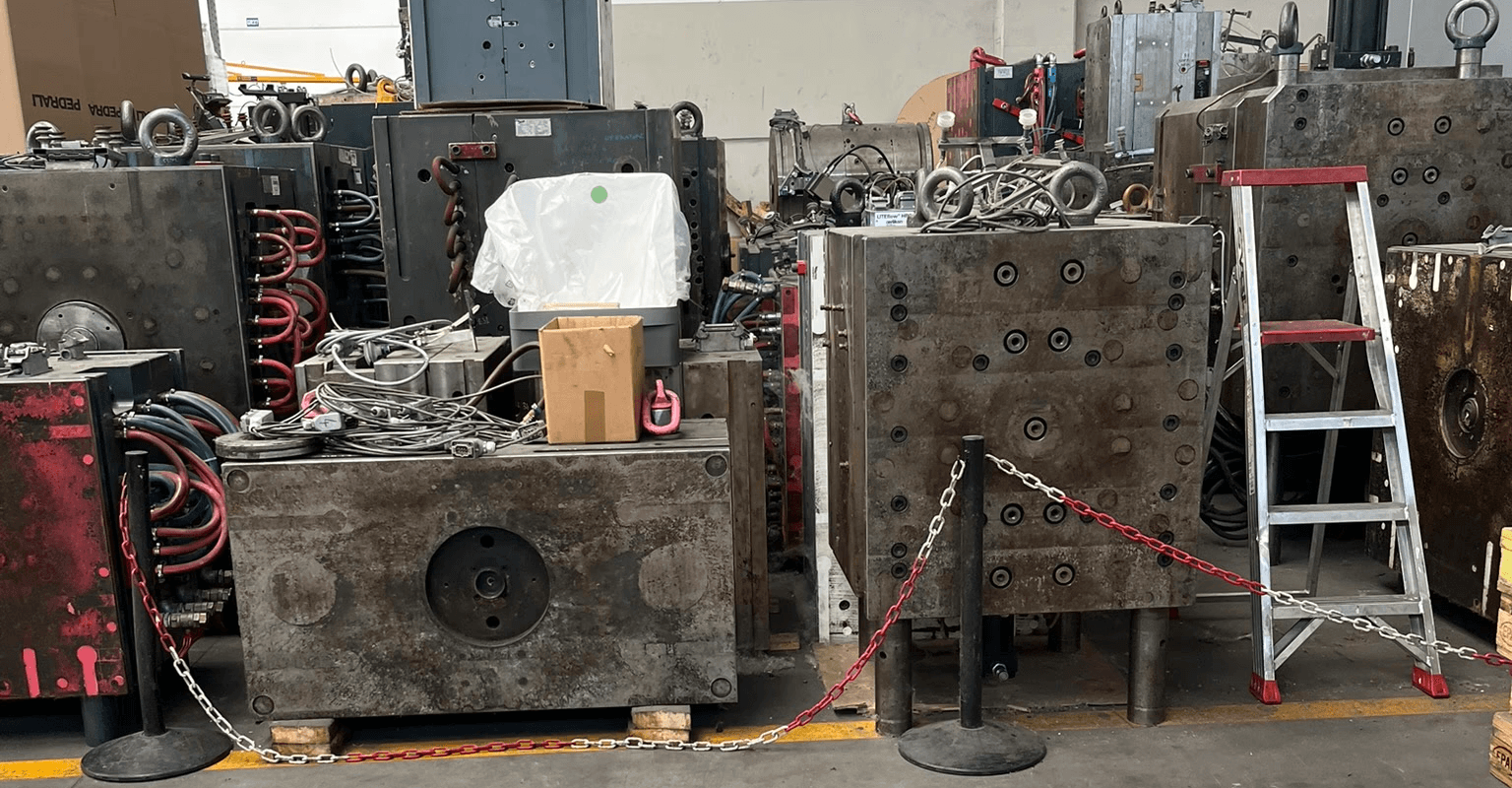
Naturally, textiles paved the way for machinery. Weaving and spinning machines needed sharper tools, better parts, and serious metalworking know-how. That expertise stayed right in the region, getting passed down and refined over generations. By the 20th century, this industrial background became the backbone of the automotive sector: precision aluminum casting, high-end injection molding, and a super disciplined culture of quality.
Today, that same automotive-level precision drives the creation of designer furniture. The very techniques once used to crank out engine blocks and gearboxes are now shaping the pieces chilling in living rooms, hotel suites, and cool restaurants.
What veneer can do—and what we didn't know about it
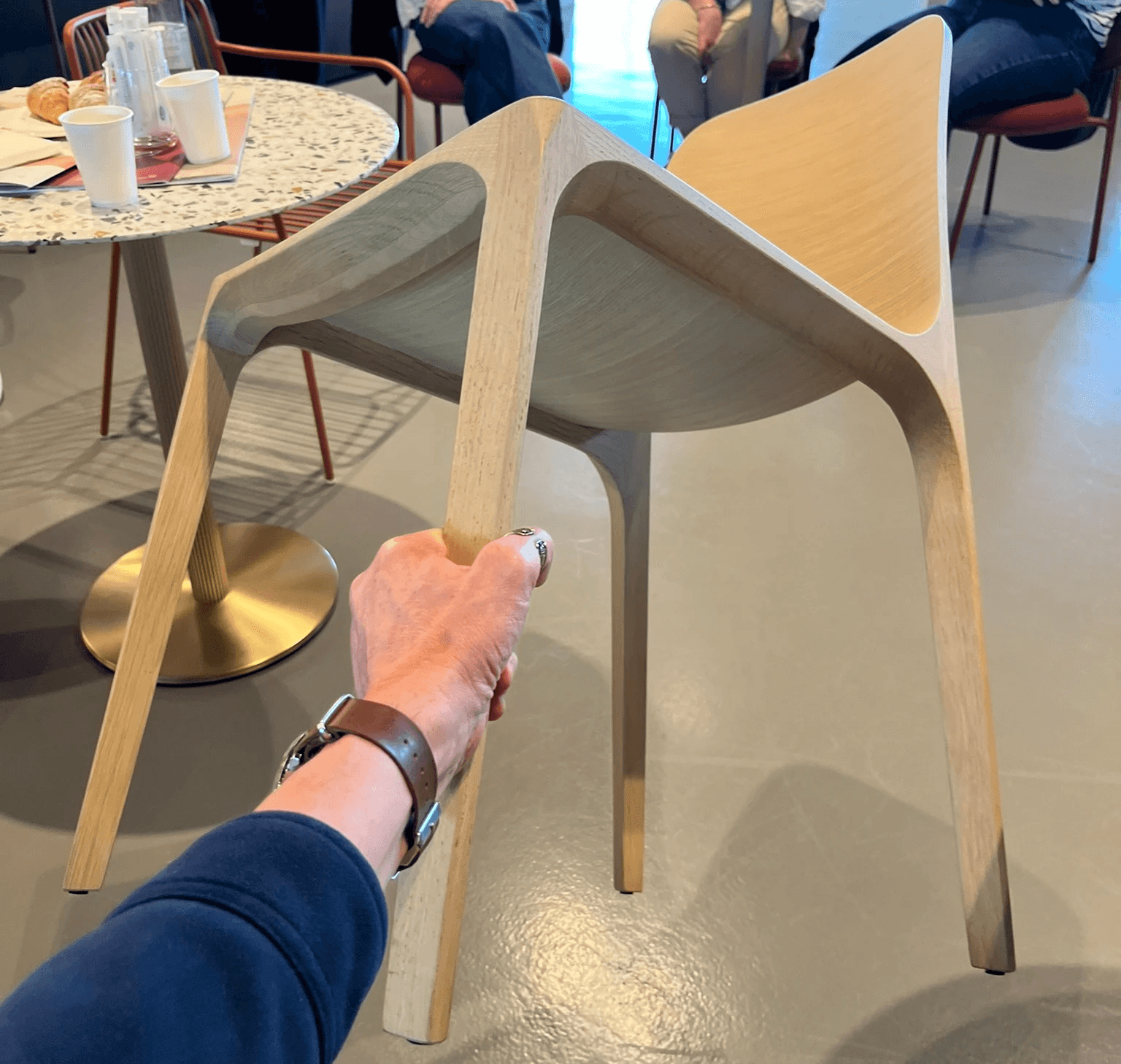
One cool tech innovation we picked up on during our visit has to do with how flexible veneer can actually be.
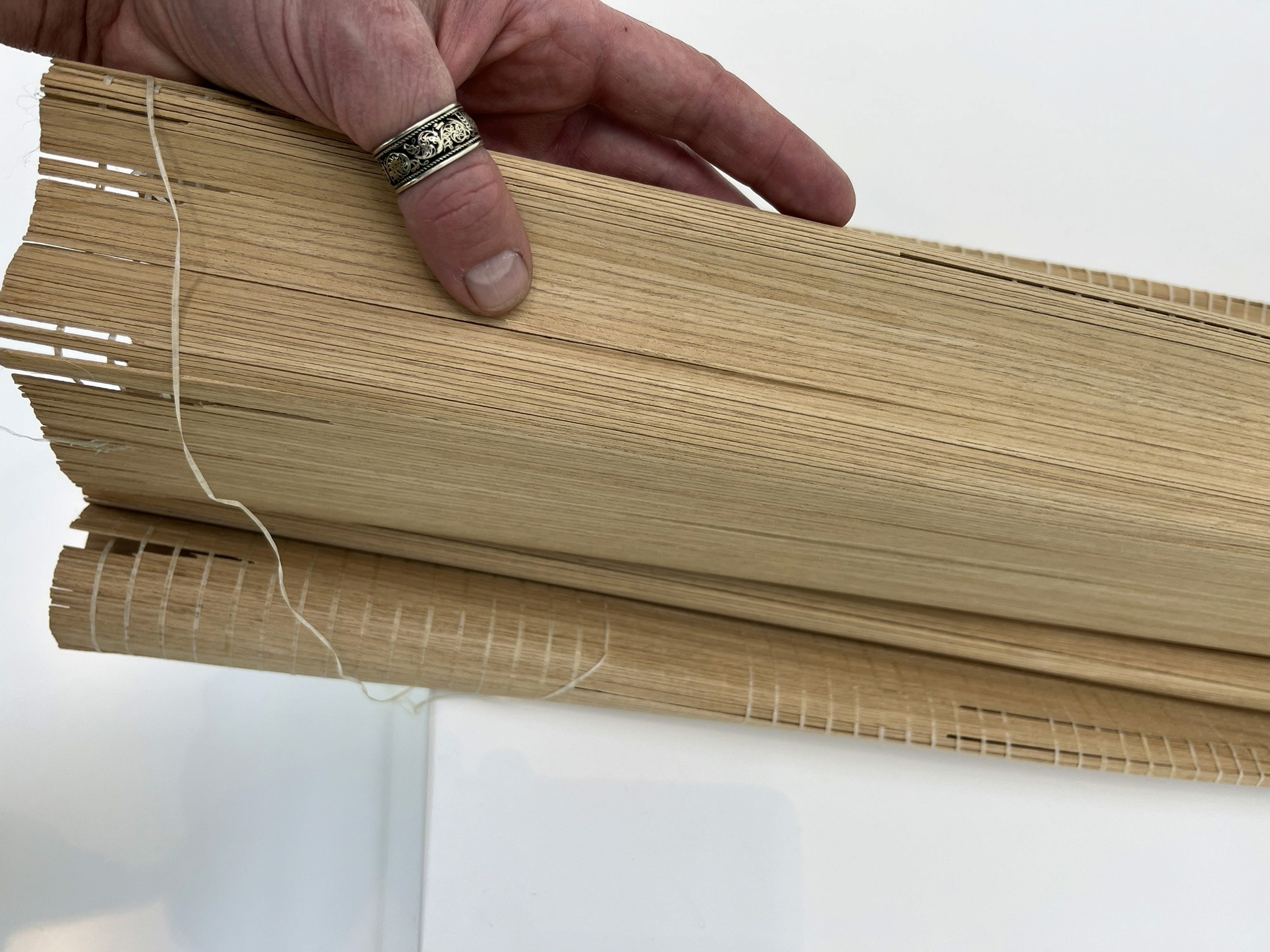
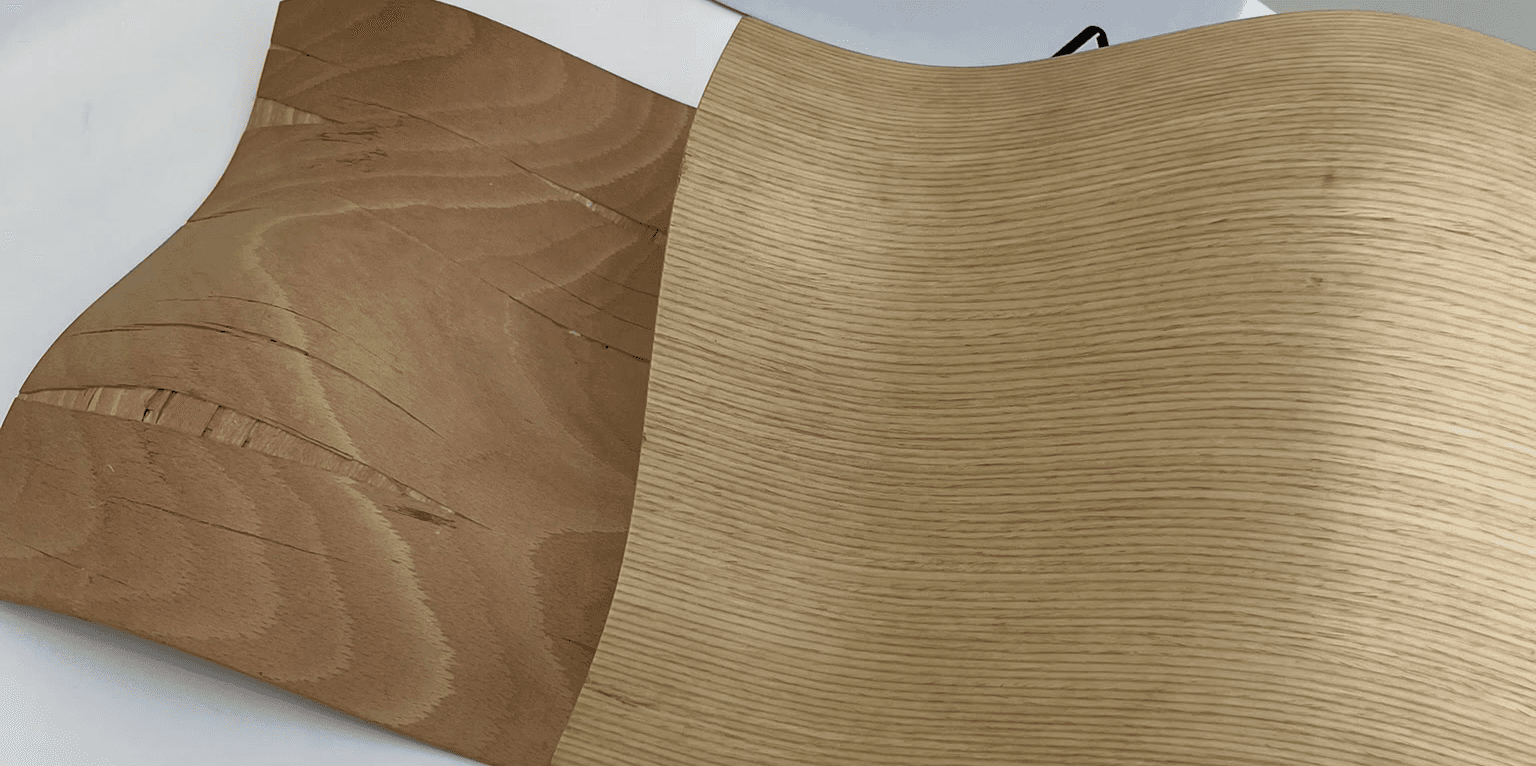
An uncut veneer sheet can only bend in two directions: horizontally and vertically, pretty much like a sheet of paper. That lets you make some nice curved shapes, but 3D curves are pretty much out of the question.
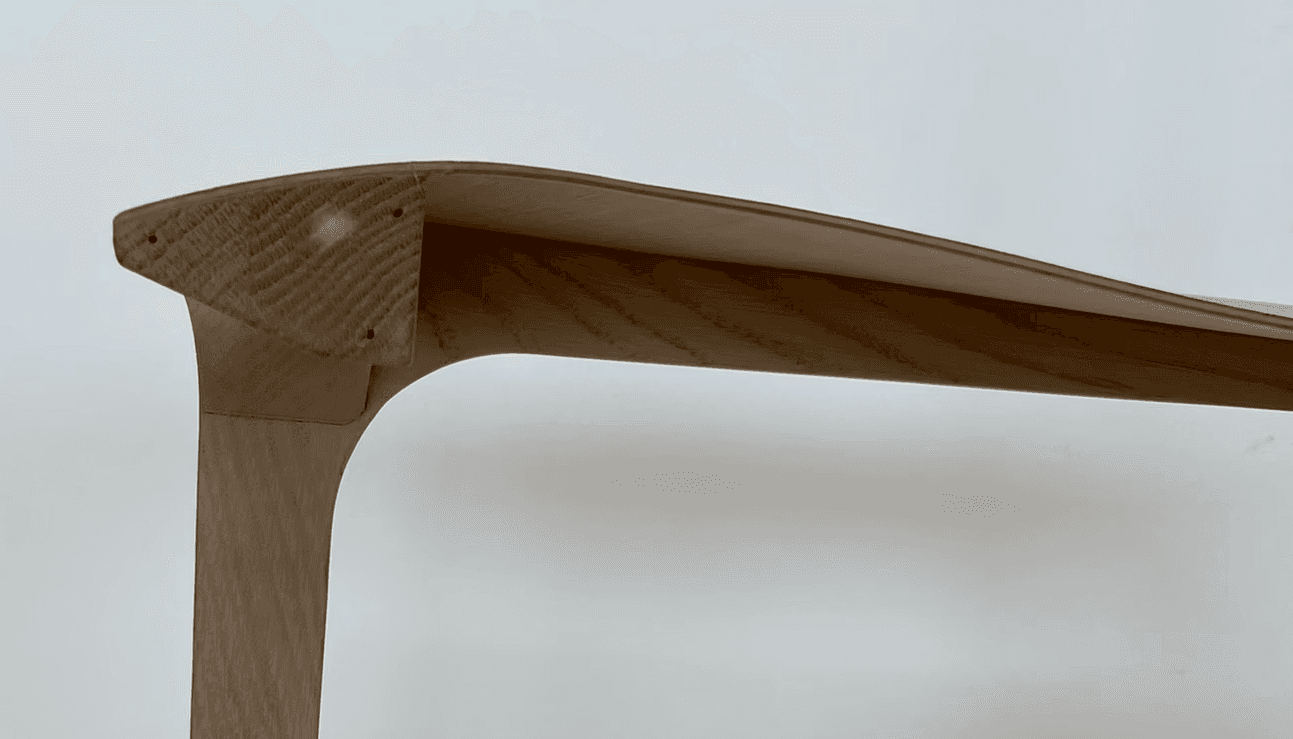
Thinly sliced veneer, on the other hand, can actually bend in three dimensions. This opens up all kinds of complex, sculpted shapes that used to be impossible to pull off with veneer. You end up with a structure that's light yet solid, looking way more refined and airy than anything you could get with uncut veneer—all while using less material, just 3 layers. It gives you so much more freedom to shape the chair's final silhouette!
Reupholstering
Thanks to injected foam tech these days, you can have totally different firmness zones within the very same piece. So a sofa, chair, or armchair is nice and flexible right where your body needs it, and sturdy where it takes the most beating. A sleek profile, long lifespan, and pure comfort—you can totally have it all at once now, but it takes some serious engineering behind the scenes.
A less obvious but super important touch with premium upholstered furniture is that the fabric isn't glued down to the foam.
That actually makes a huge difference. With cheaper stuff, they just glue the fabric right onto thin foam. Try pulling that off, and the sponge shreds with it, totally trashing the furniture—meaning you can forget about reupholstering it. But when the fabric isn’t glued down, you can just slip it off and swap a worn-out cover for a fresh one without having to chuck the whole piece. It doesn’t just make it last way longer; it’s a big win for sustainability, too. A solid base can stick around for decades, while you switch up or freshen the cover whenever you feel like it.
As interior designers, picking out furniture usually looks like choosing shapes, colors, and vibes. But there are always deeper layers to the call, even if we’re not always overthinking it: what kind of manufacturing heritage it comes from, the material know-how behind it, how easy it is to fix up, and how it holds up after a decade of real life.
The trip to Bergamo really brought that home. Monica's stories revealed this whole industrial journey—from mountain streams to the car industry and into designer furniture—quietly but profoundly shaping the pieces we bring into our spaces as designers.